Installing multiwall polycarbonate for a terrace or greenhouse roof is one of the best investments you can make for your home. However, there is one critical step during installation that many DIY builders—and even some contractors—overlook: properly sealing the open channels (flutes).
If left open or incorrectly sealed, dust, insects, water condensation, and green algae will quickly find their way inside the internal chambers. Within just a few seasons, clear panels can turn cloudy, dirty, and unsightly.
Here is why sealing multiwall polycarbonate is essential, along with the precise two-tape system you need to keep your roof crystal-clear for years.
The Problem: Condensation, Algae, and Dirt Build-Up
Multiwall polycarbonate sheets are designed with hollow internal channels that trap air to provide excellent thermal insulation. However, because air inside the channels warms up and cools down with changing weather, moisture naturally forms inside through condensation.
- Without top sealing: Rainwater, dirt, pollen, and insects fall into the top of the sheets, washing debris straight down into the chambers.
- Without bottom ventilation: Trapped condensation has nowhere to drain. Combined with sunlight, trapped moisture creates the perfect environment for green mold and algae to grow inside the panels.
To prevent this, you need a smart taping system that seals the top completely while allowing the bottom to breathe and drain.
Step 1: The Top Edge — Complete Airtight & Watertight Protection
At the upper edge of your roof (the highest point where the sheets meet the wall or ridge), your goal is simple: keep everything out.
Rainwater runs down the slope, and dirt settles at the top. If moisture or debris enters from above, it travels through the entire length of the panel.
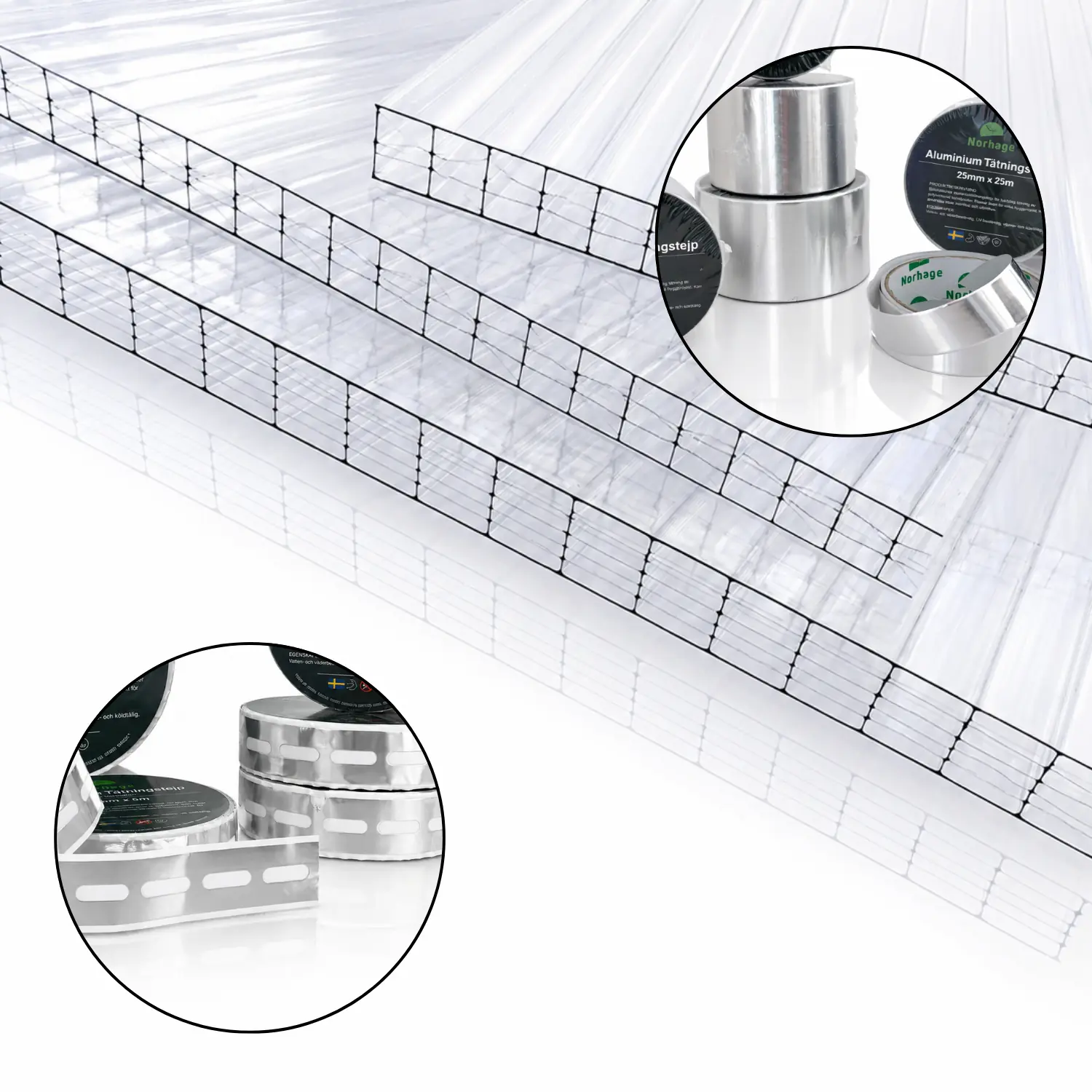
- The Solution: Aluminum Solid Sealing Tape (25–75mm)
- How It Works: This heavy-duty, non-porous aluminum tape creates a 100% airtight and watertight barrier across the top flutes. It stops rainwater, dust, and insects from entering the chambers from above, protecting the internal structure from debris build-up.
Step 2: The Bottom Edge — Drainage & Anti-Algae Diffusion
The lower edge of your roof (where water drains into the gutter) requires a completely different approach. You cannot simply put solid tape on the bottom—if you do, condensation will get trapped inside the channels with no way to escape.
- The Solution: Aluminum Diffusion / Anti-Dust Tape (25–60mm)
- How It Works: Diffusion tape features a specialized, breathable membrane filter. It acts as a one-way street:
- Drains Condensation: It allows internal moisture and water droplets to exit freely through capillary action.
- Blocks Invaders: Its microscopic filter prevents dust, dirt, spiders, and insects from crawling up into the channels from below.
- Prevents Algae: By allowing the sheet to “breathe” and stay dry internally, it deprives algae and mold of the moisture they need to grow.
Summary Checklist for a Long-Lasting Installation
To ensure your terrace roof or greenhouse stays clean, bright, and structural for decades, follow this simple sealing rule:
- Clean the Flutes: Blow out any plastic shavings or dust from the channels using compressed air before taping.
- Apply Solid Aluminum Tape to the TOP: Seal the upper sheet edges completely with Solid Aluminum Insulation Tape.
- Apply Diffusion Tape to the BOTTOM: Seal the lower sheet edges with Breathable Aluminum Diffusion Tape.
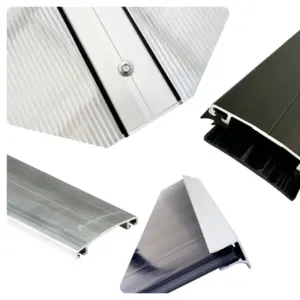
- Cap with U-Profiles: Finish both top and bottom edges with aluminum U-drip profiles to protect the tapes from direct weather exposure and mechanical damage.
By spending a few extra minutes installing the correct tape combination, you guarantee that your multiwall polycarbonate roof stays crystal clear, algae-free, and beautiful through every season.