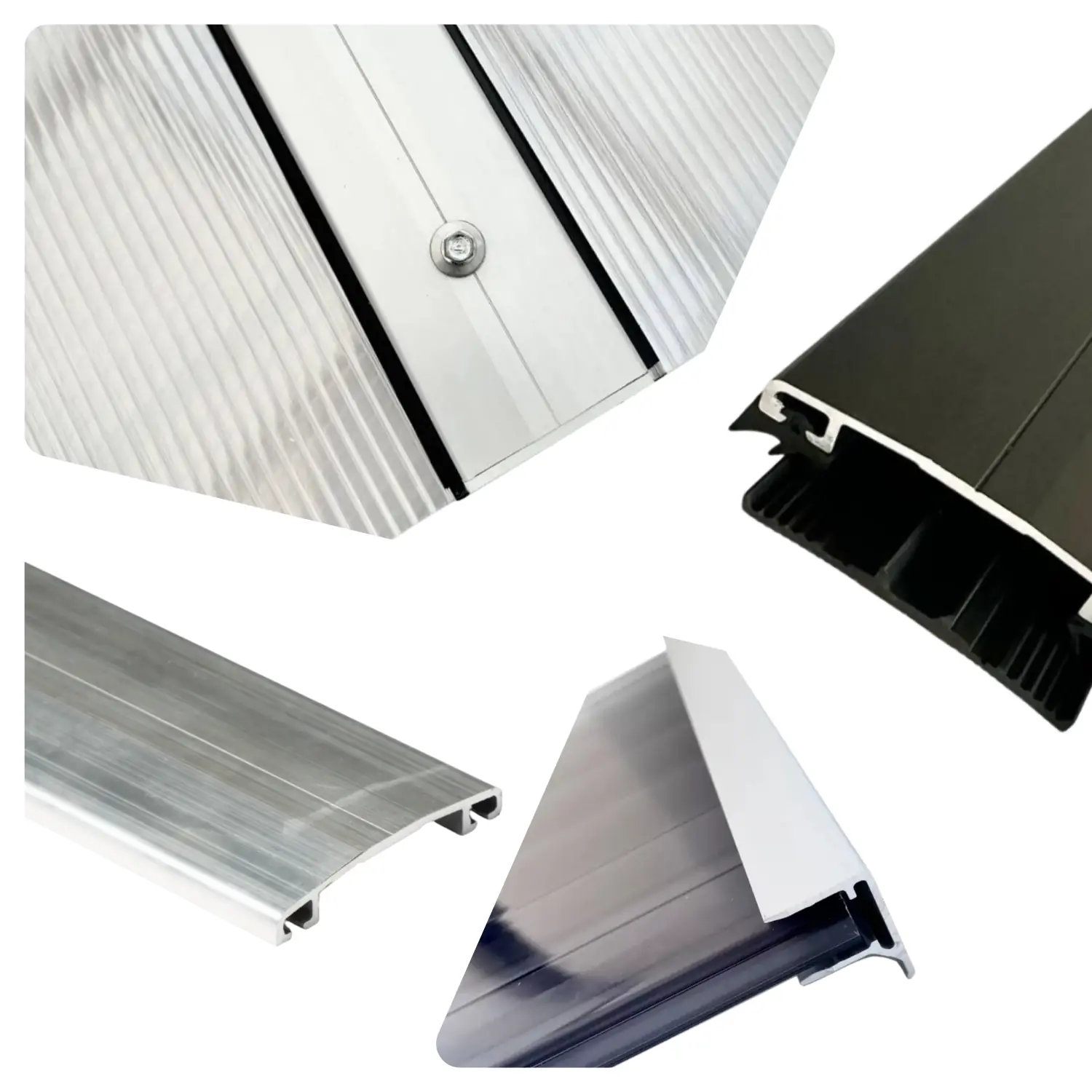
Building your own terrace roof or greenhouse is an exciting DIY project, but choosing the right materials can feel overwhelming. When shopping for aluminum framing profiles to hold your polycarbonate sheets, you will run into two main choices: anodized and non-anodized (mill finish) aluminum.
While both options look like sturdy silver metal on the store shelf, picking the wrong one can lead to water leaks, squeaky roofs, and ugly chalky rust in just a couple of seasons.
What Is Non-Anodized (Mill Finish) Aluminum?
Non-anodized aluminum is bare metal taken straight off the factory floor without any extra surface treatment.
- The Pros: It is the cheapest option upfront, making it tempting for low-budget projects.
- The Cons: Bare aluminum does not handle raw weather well. Rain, snow, humidity, and intense sunlight trigger an oxidation process that forms a white, chalky powder on the surface. Over time, the metal turns dull, rough, and pitted.
What Is Anodized Aluminum?
Anodizing is an electrical and acid bath treatment that changes the surface layer of the metal into a super-hard, protective armor. Because this layer is made from the aluminum itself, it cannot chip, peel, or scratch off like regular paint.
Side-by-Side DIY Comparison
| Feature | Anodized Aluminum Profiles | Non-Anodized (Mill Finish) Profiles |
| Weather Protection | Completely rust-proof, rain-proof, and sun-proof. | Quickly turns chalky, dull, and pitted outdoors. |
| Gasket Safety | Ultra-smooth finish protects rubber water seals. | Rough white rust acts like sandpaper against soft seals. |
| Maintenance | Zero maintenance—wipes clean with plain water. | Requires constant cleaning to remove white oxidation. |
| Long-Term Value | Slightly higher initial price, but lasts for decades. | Cheap to buy, but risks costly replacement later. |
Why Anodized Profiles Are a Must for Polycarbonate Roofs
Polycarbonate sheets and aluminum frames go hand in hand, but pairing polycarbonate with cheap bare aluminum is a recipe for trouble.
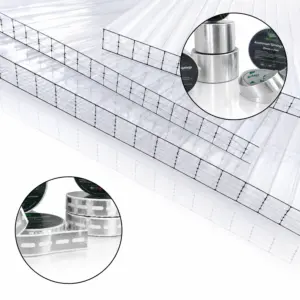
- Polycarbonate Needs Room to Move: Polycarbonate sheets naturally expand when hot and shrink when cold. Anodized profiles have a slick, frictionless surface that allows the sheets to slide smoothly as temperatures change. Non-anodized profiles develop a chalky, rough surface that grips the sheets, causing loud creaking noises and destroying your rubber seals.
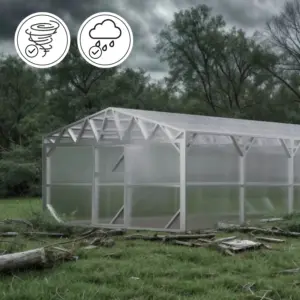
- Greenhouses Are Constant Moisture Zones: Inside a greenhouse, high humidity and condensation create an environment that rapidly destroys raw metal. Anodized aluminum handles trapped moisture and fertilizer vapor without degrading.
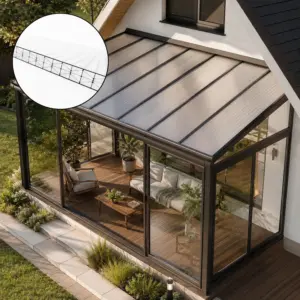
- Terrace Roofs Need to Look Good: Your patio is a living space. Anodized aluminum retains its clean metallic finish year after year, whereas bare aluminum quickly develops dirty white streaks that run down your roof panels.
The Final Verdict for DIYers
If you are building an indoor workbench or garage shelf where the weather cannot reach it, non-anodized aluminum works just fine.
However, for outdoor terrace roofs and humid greenhouses, always choose anodized aluminum profiles. They protect your polycarbonate investment, keep your structure waterproof, and keep your build looking brand-new for years to come.