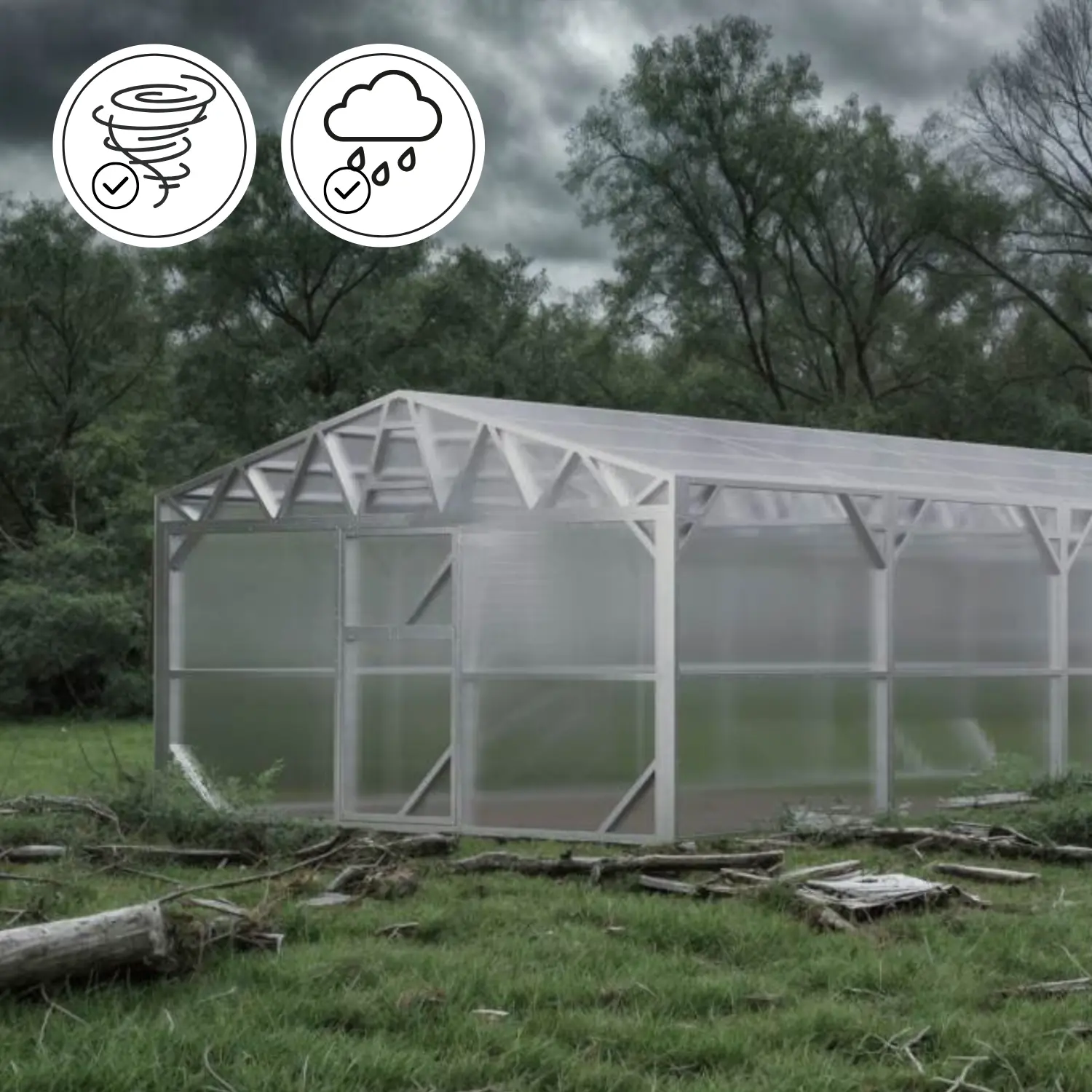
An autumn storm can ruin a season’s hard work in minutes. As the leaves turn, unpredictable weather patterns bring high-velocity gales that test the limits of your garden setup. Greenhouses act like sail ships in heavy wind—once air gets inside, internal pressure and lift can strip panels, collapse frames, or lift an entire structure right off its base.
Proactive preparation is the difference between a thriving late-season harvest and a yard full of shattered glass and twisted aluminum. Use this comprehensive guide to windproof your greenhouse before the autumn gales roll in.
1. Seal the Envelope: Prevent Air Infiltration
The primary cause of greenhouse failure during a storm isn’t wind hitting the outside; it’s wind getting inside. Once gusting air finds an entry point, it creates upward pressure that pops out panels and buckles frames.
- Lock Down Vents and Doors: Ensure all automatic vent openers are disengaged or manually locked shut. Automatic wax-piston openers can react to temperature fluctuations and pop open during a storm, giving wind immediate access. Latch doors securely, and consider adding a secondary barrel bolt for severe weather.
- Inspect Glazing and Clips: Check for loose glass panes, cracked polycarbonate sheets, or degraded spring clips. Replace worn-out glazing clips immediately—adding extra clips to the windward side of your structure adds vital reinforcement.
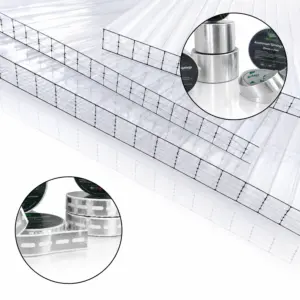
- Seal Drafts and Gaps: Walk around the frame with weatherstripping, frame tape, or clear silicone sealant. Closing tiny air gaps stops drafts from catching loose edges and tearing panels away.
2. Reinforce the Structure and Anchoring
A greenhouse is only as strong as its connection to the earth. Once the envelope is sealed, focus on structural rigidity.
- Secure the Base: Verify that your ground anchors, concrete footings, or deck fasteners are tight. If your greenhouse rests on soil, drive heavy-duty corkscrew ground anchors or rebar stakes at each corner and strap them securely to the frame.
- Add Internal Bracing: Install diagonal wall and roof braces to prevent racking (when wind forces the frame into a parallelogram shape). In a pinch, temporary 2×4 wooden posts wedged against the ridge beam and ground provide extra vertical support.
- Tension Poly Film (Hoop Houses): If you use a poly-covered hoop house, loose plastic is your enemy. Tighten film in poly-lock channels and throw over-the-top wind straps (anti-billow ropes) over the roof anchored firmly on both sides to prevent violent flapping.
3. Clear the Perimeter: External Hazard Control
The area surrounding your greenhouse poses as much danger during a gale as the wind itself.
- Trim Overhanging Branches: Cut back deadwood, overhanging tree limbs, or weak branches within striking distance. A falling limb will shatter glass or rip poly film instantly.
- Remove Airborne Projectiles: High winds turn ordinary garden items into high-velocity missiles. Move lawn furniture, empty nursery pots, trellises, hanging baskets, and hand tools into a shed or garage.
- Set Up Temporary Windbreaks: If your greenhouse sits in an exposed area, construct temporary windbreaks on the side of prevailing autumn winds. Heavy-duty shade cloth (50–70% density) pegged tightly to T-posts breaks the force of gusts without creating a solid wall that might blow over.
4. Protect the Plants and Systems Inside
While your structure withstands the storm outside, ensure your crops and internal equipment stay safe.
- Secure Tall Plants and Trellises: Tie down top-heavy crops like late-season tomatoes or potted citrus trees. If a pot tips over during a storm, it can shatter lower glazing panels from the inside.
- Manage Post-Storm Humidity: Sealing your greenhouse tight keeps wind out, but it also traps moisture. Once the storm passes, ventilate briefly to prevent condensation buildup and fungal outbreaks like gray mold (Botrytis).
- Prepare Backup Power: If you rely on electrical heaters, circulation fans, or automated systems, keep a battery-backed monitor or generator ready. Autumn gales frequently cause grid outages, and a sudden cold snap right after a storm can freeze vulnerable plants.
5. Post-Storm Inspection Checklist
Do not enter your greenhouse immediately after a storm until you perform a visual safety check from the outside.
- Check for Overhead Hazards: Look for dangling glass panes, cracked polycarbonate hanging from the roof, or downed power lines nearby.
- Inspect Structural Integrities: Examine the base connection, door hinges, and corner posts for warping or shifting.
- Make Immediate Micro-Repairs: Cover small tears in poly film with specialized repair tape right away, and replace slipped panes immediately. Micro-cracks left unaddressed will become catastrophic structural failures during the next storm.
Taking a couple of hours to secure your greenhouse today saves hundreds of dollars in repairs and preserves your hard-earned autumn harvest. Walk your perimeter, seal the drafts, and anchor down tight before the next forecast calls for heavy weather.